
About Me
Emily Elgar
CSP Registration: 79446
HCPC Registration: PH83230
MCSP MPOGP
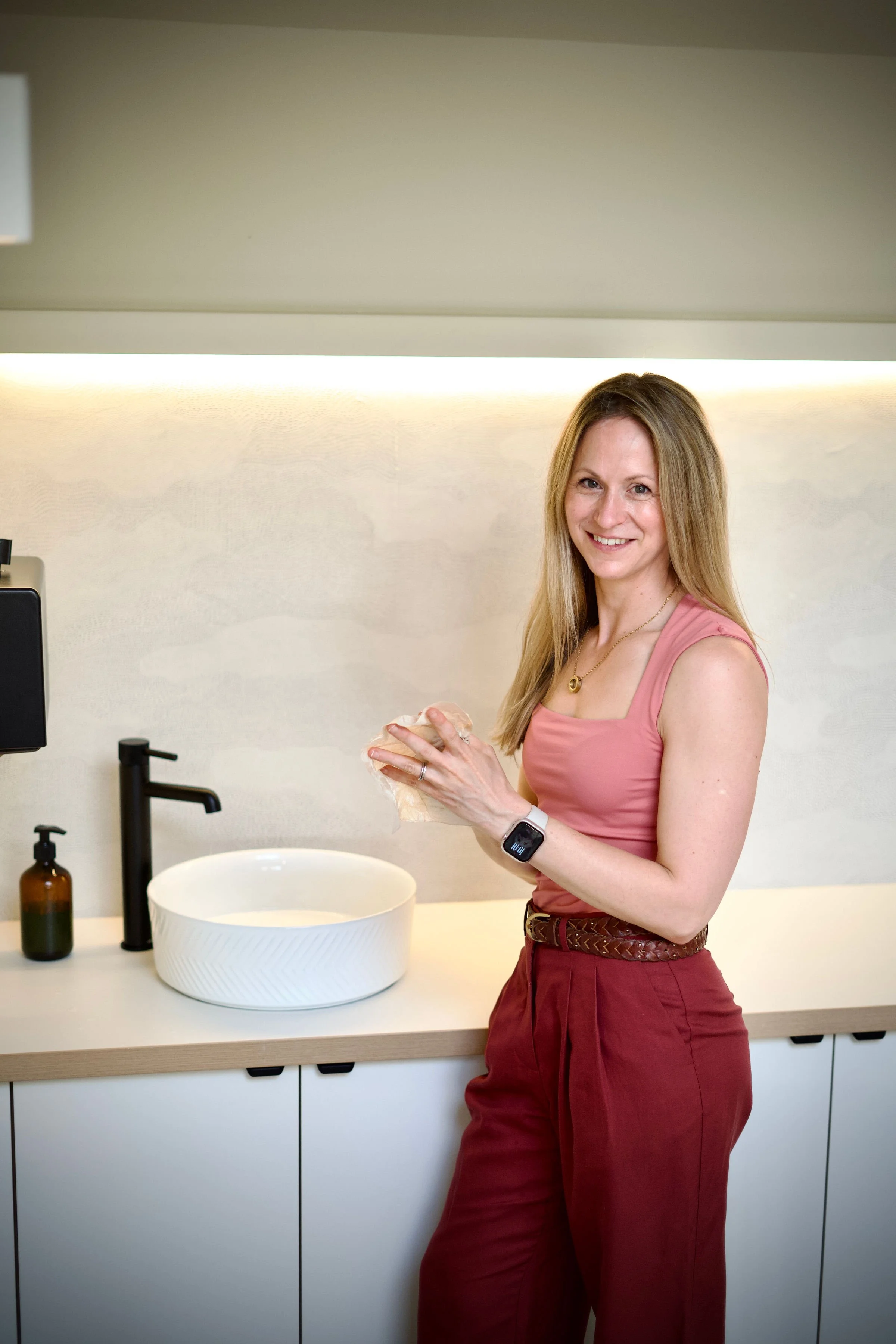
Hello, I’m Emily — a Specialist Pelvic Health Physiotherapist based here in Sheffield. If you’re reading this, you’re probably looking for someone who will really listen, understand, and help you make sense of what’s going on in your body. That’s the heart of my work.
I’ve been a physiotherapist for nearly two decades, and from the very beginning I knew I wanted to create care that was strongly evidence based, inquisitive, and deeply human. Pelvic health is personal. It deserves an environment that feels calm, supportive, and attentively designed — somewhere you can exhale, feel safe, and finally get answers.
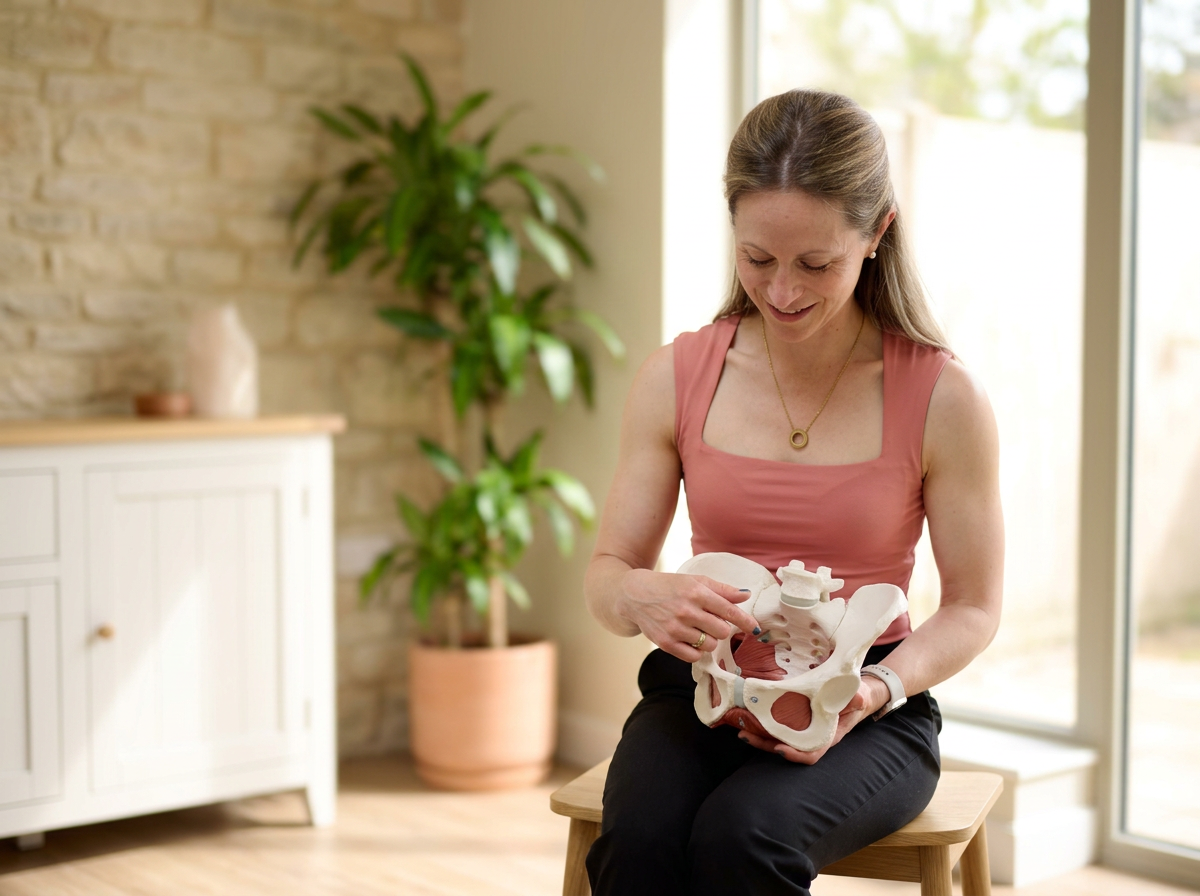
I originally trained in Sport & Exercise Science at Leeds Metropolitan University, graduating in 2004. That curiosity about how bodies move, adapt, and perform led me to physiotherapy, and I completed my degree to First Class Honours level at Bradford University in 2007.
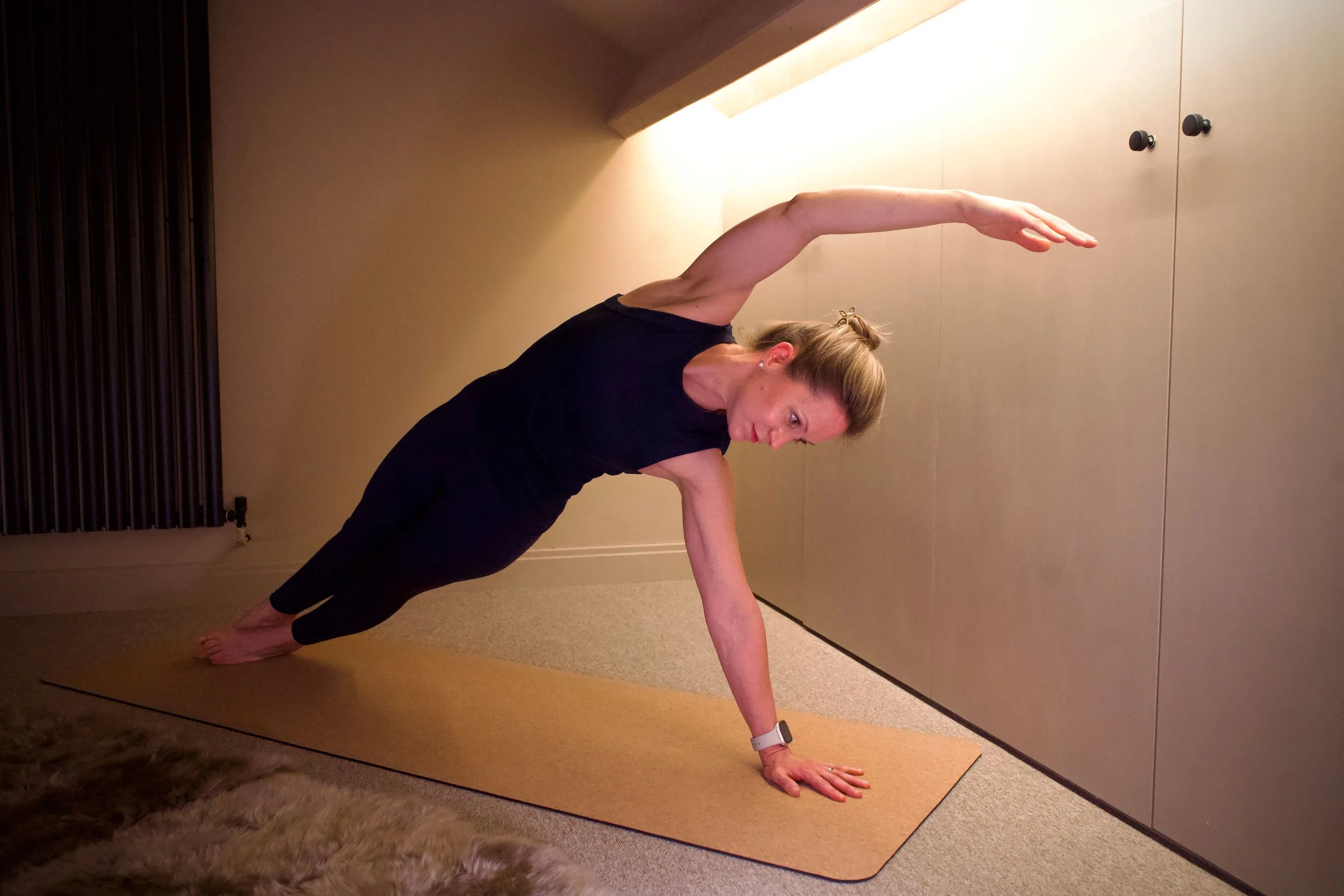
Since then, I’ve worked across the NHS and private sector — from large teaching hospitals to small community clinics — treating people through pregnancy, postnatal recovery, pelvic pain, prolapse, incontinence, and everything in between. Over the years, I’ve added tools that help me treat the whole person: Pilates (matwork and reformer), myofascial release, life coaching, and advanced pelvic floor assessment.
A significant part of my clinical focus is persistent pelvic pain. I am a member of the Pelvic Pain Network, and this area of practice has become one of the driving motivations behind my decision to undertake the Advanced Clinical Practice Pelvic Health Master’s at Brunel University. Persistent pain care requires time, curiosity, and a deep respect for the complexity of each person’s experience, and it continues to shape the way I develop as a clinician.
I’m also an APPI Master Trainer, teaching clinical Pilates to other health professionals, and a proud member of the POGP, where I support the Research Review Team. My background in sports science means I work just as comfortably with recreational runners and lifters as I do with professional and semi-professional athletes navigating pregnancy, postnatal rehab, or pelvic floor dysfunction.
My Journey Into Pelvic Health
How I Work
My approach blends traditional pelvic health physiotherapy with whole-body movement analysis and emotional wellbeing. Pelvic health is never just about muscles - it’s about how you move, how you breathe, how you feel, and how your symptoms impact your life.
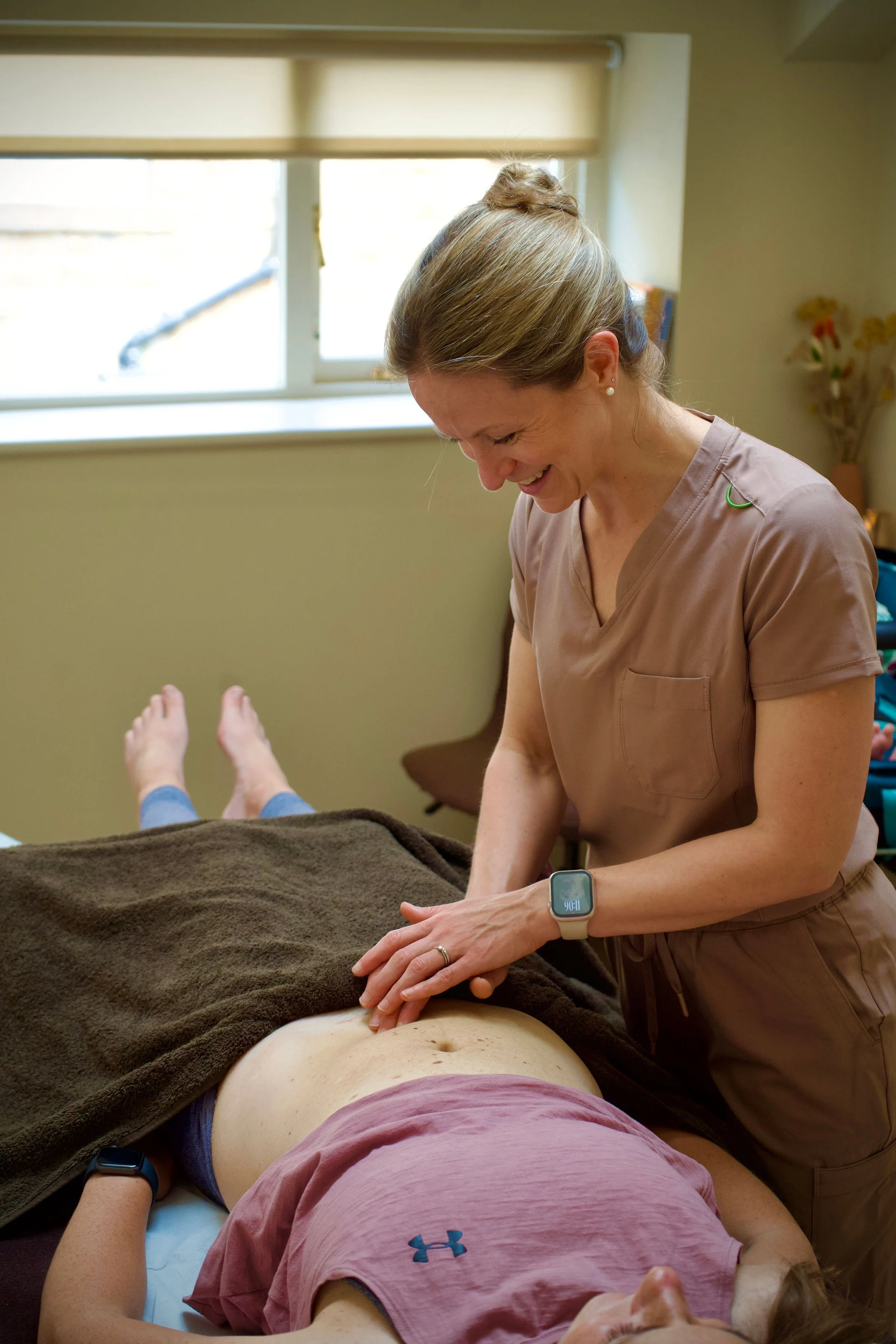
My training in life coaching also shapes the way I work. I recognise that people do not seek support simply because symptoms exist; they seek care because of how those symptoms affect their confidence, relationships, work, movement, identity, and day-to-day choices. For me, pelvic health care means understanding the whole experience of living with symptoms, not just assessing the symptoms themselves.
I love helping people discover not just practical solutions, but their own recipe for wellbeing. So many people arrive in clinic feeling stuck with their symptoms. Watching them leave with confidence, clarity, and a deeper understanding of their body is one of the best parts of my job.
There’s something powerful about that moment when someone says, “I feel better — but what’s surprised me most is that I finally understand my body.” That’s the kind of change that lasts.
A Little More About Me
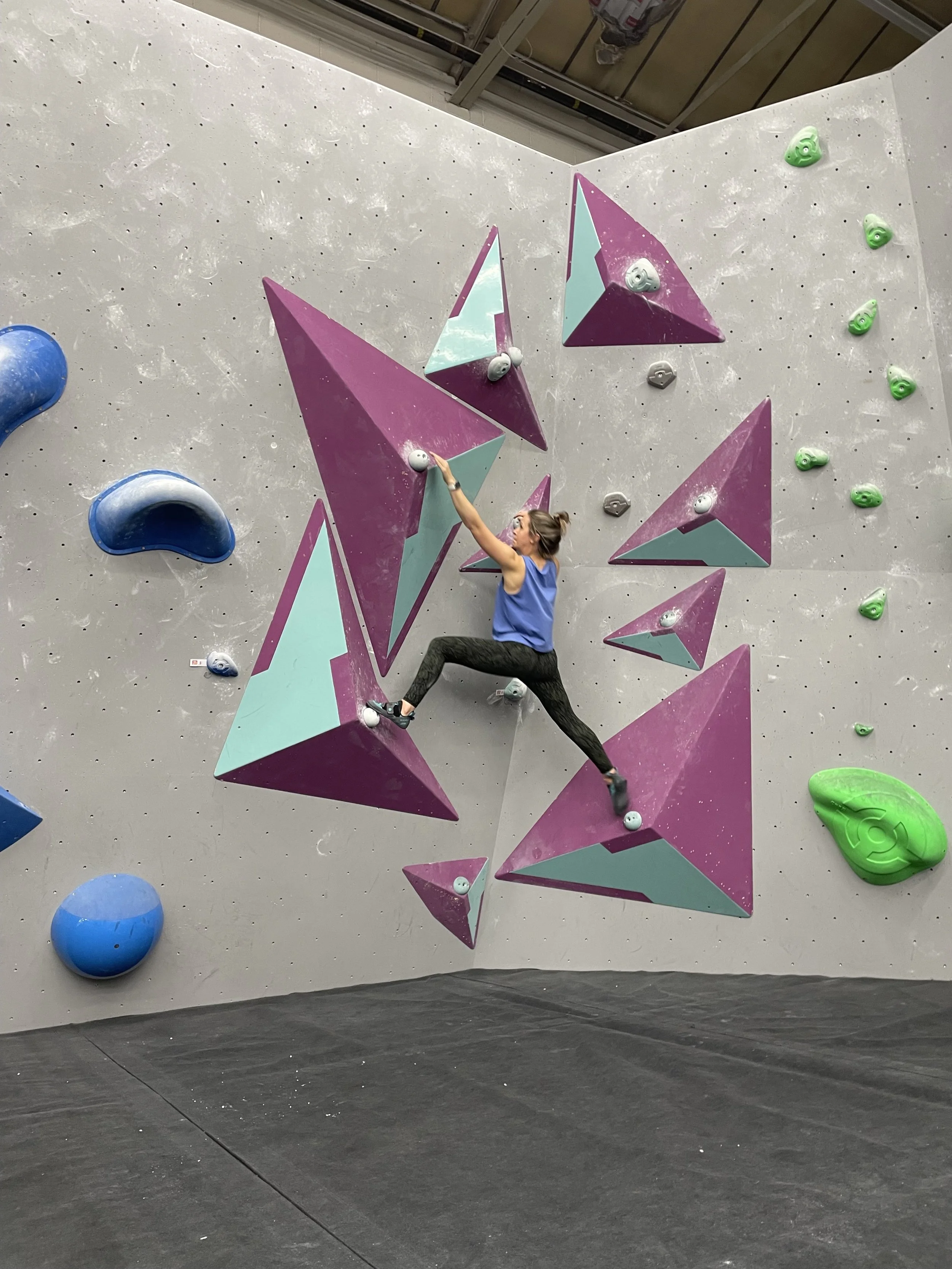
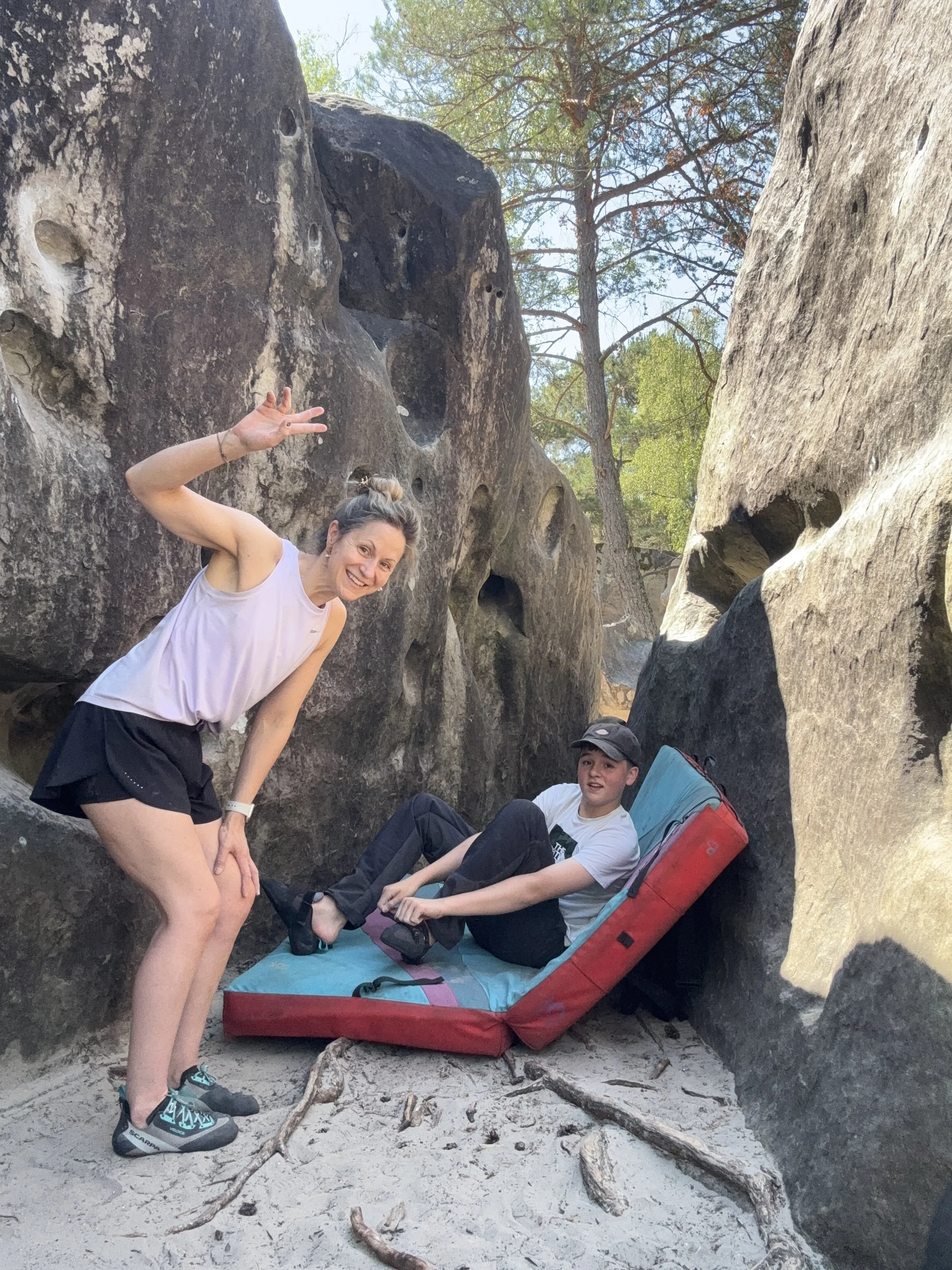
Outside the clinic, I’m usually running through the woods, bouldering with my son, listening to audiobooks at the gym, sipping good coffee, or enjoying great food with friends and family. We’re an active bunch — our perfect weekend is heading off on a mini adventure with our two teenagers and our labradoodle, Darcy.

If You’re Looking for Pelvic Health Support…
Whether you’re navigating pregnancy, recovering postnatally, managing prolapse or pelvic pain, preparing for surgery, or wanting to feel stronger and more confident in your body, I’m here to help you move with ease and live with confidence.
Pelvic health can feel overwhelming, but you don’t have to figure it out alone.
I’d love to support you on your journey.